

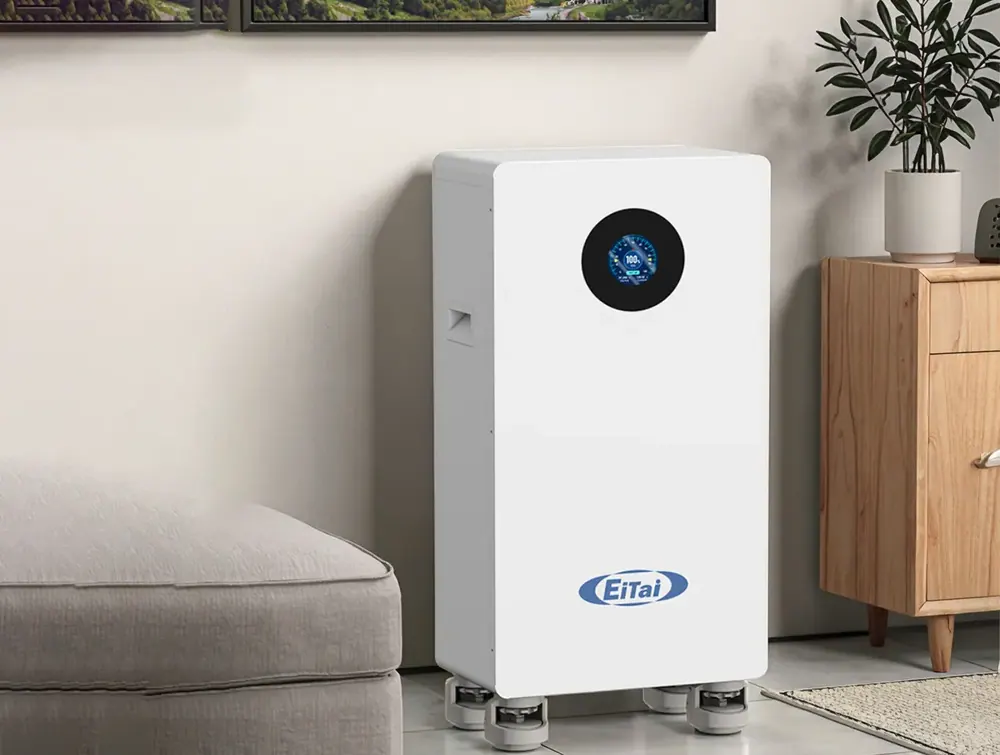
Comprehensive Enhancement of Household Energy Independence: LV Home Energy Storage Battery Solutions
In today’s era of pursuing energy efficiency and sustainability, low-voltage home energy storage lithium battery systems are becoming an indispensable part of modern households. Whether to cope with unstable grid power, maximize solar self-consumption, or simply reduce electricity costs, an efficient energy storage solution can bring significant value. This article provides an in-depth analysis of the core advantages, key technical parameters, and selection points of low-voltage home energy storage lithium batteries to help you make informed decisions.
Core Parameters and Performance
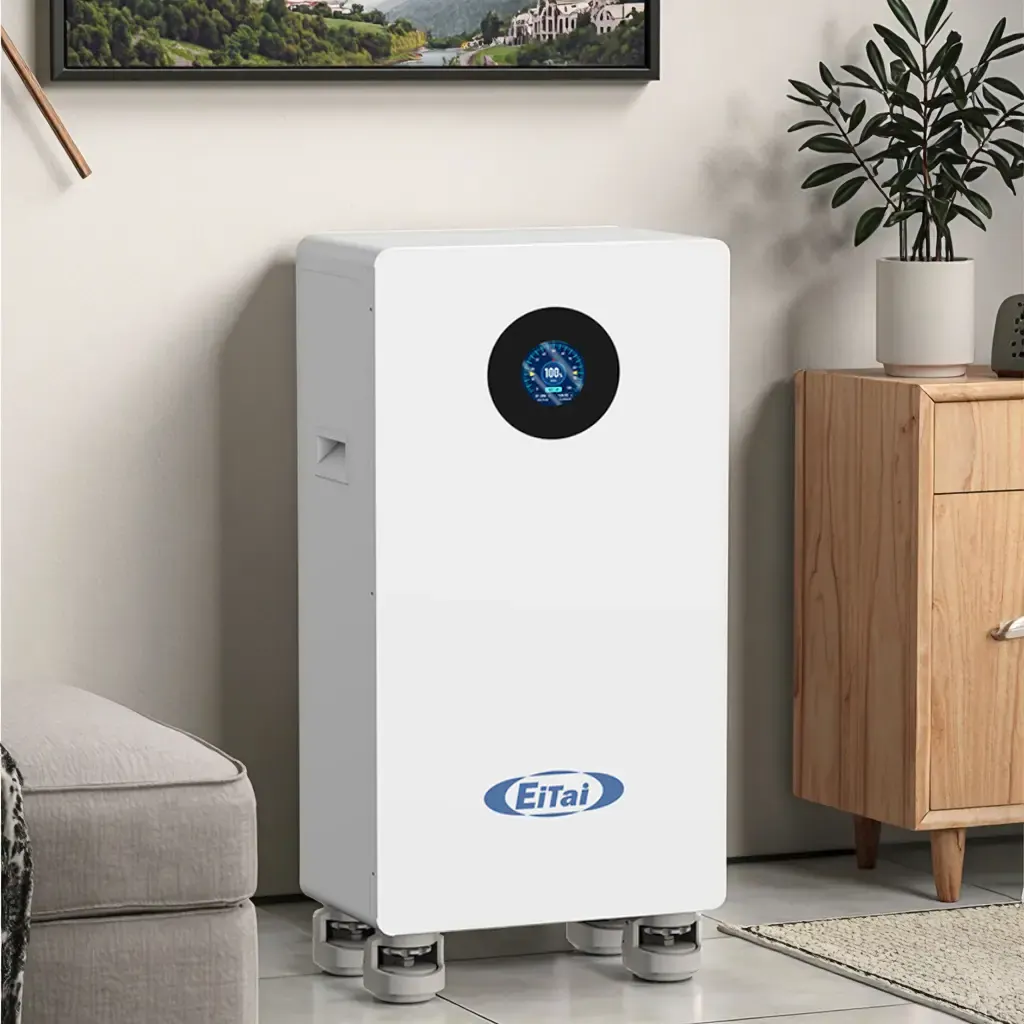
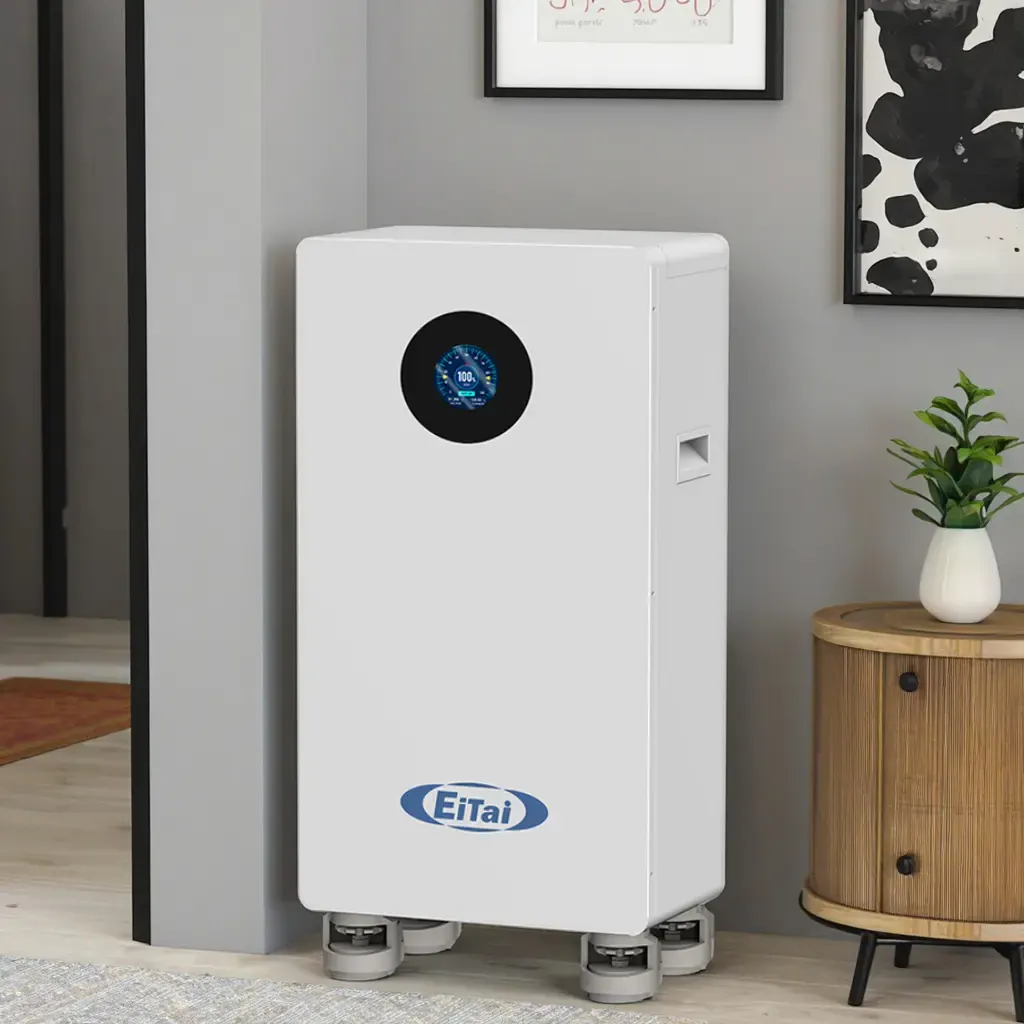
An excellent low-voltage home energy storage battery should feature high energy density, long cycle life, and stable discharge performance. Taking mainstream models as an example, a nominal voltage of 51.2V ensures both safety and efficiency, with nominal energy reaching 14.34kWh to 16.08kWh, and usable energy maintaining above 12.9kWh at 90% depth of discharge (DOD), maximizing the ability to meet daily household needs.
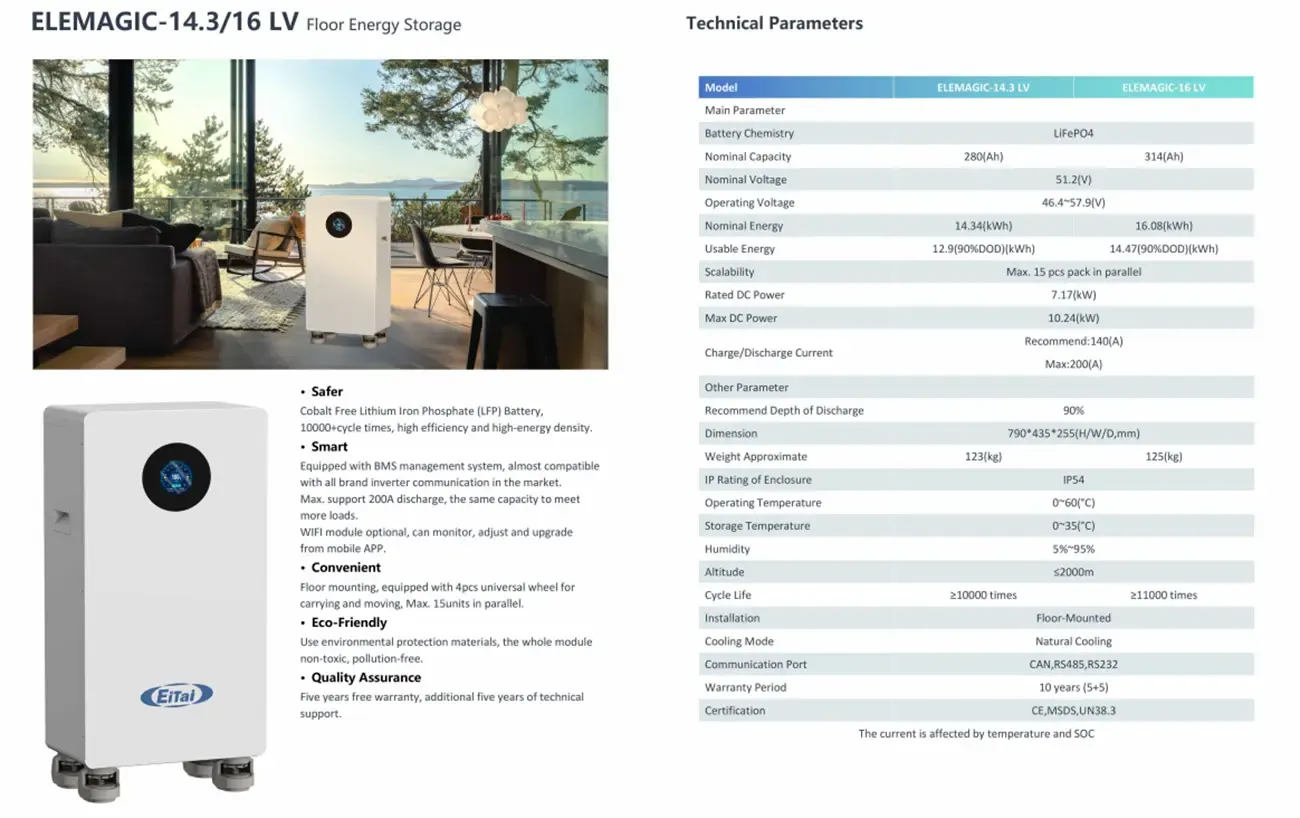
The capability to support up to 15 battery packs in parallel makes system expansion highly flexible, allowing users to gradually increase capacity based on actual electricity consumption needs. With rated DC power of 7.17kW and peak power of 10.24kW, the system can handle scenarios where multiple high-power appliances start simultaneously. The recommended charge/discharge current of 140A and maximum of 200A ensure stable operation under high load, while intelligent management considering current affected by temperature and SOC further enhances safety.
Safety and Long Life: Advantages of LFP Technology
An IP54 protection rating ensures the battery module operates reliably in damp or dusty environments, while an operating temperature range of 0~60°C adapts to most climatic conditions. Natural cooling eliminates the need for vulnerable components like fans, enabling silent operation and higher reliability.
Intelligent Management: Compatibility and Remote Control
Via a dedicated mobile APP, users can monitor system status in real-time, adjust operating parameters, and even perform remote upgrades. These smart features make energy management intuitive and straightforward, allowing users to optimize charge/discharge strategies to maximize self-consumption of solar energy or leverage peak/off-peak electricity pricing for savings.
Convenient Installation and Flexible Expansion
The floor-mounted design, coupled with 4 universal wheels, addresses the difficulty of moving heavy equipment. A single module weighs approximately 123-125kg and can be easily positioned by professional installers. The capability for parallel connection of up to 15 units means the system can start with a basic configuration and gradually expand as household energy needs grow. This scalability significantly lowers the initial investment threshold.
Eco-Friendly Design and Quality Assurance
Conclusion
Choosing the right low-voltage home energy storage lithium battery system is a long-term investment. It not only provides emergency power backup but also significantly reduces energy expenses when integrated with a solar system. When evaluating systems, focus on key factors such as battery chemistry type, nominal capacity, expansion capability, warranty terms, and compatibility.
The mature application of LFP technology, precise control of the intelligent BMS management system, flexibility of modular scalable design, and 10-year quality assurance together form the core value of modern home energy storage solutions. As energy prices continue to fluctuate and environmental awareness grows, investing in an efficient home energy storage system is undoubtedly a wise choice for the future